

FREE SHIPPING FOR ALL ORDERS OF $500 - 🎨 Need Custom Printing or a Free Quote? Contact Us : Ph. 0490 819 662
Opening or renovating a physical store in Australia is a major milestone. In a highly competitive commercial landscape—from the bustling streets of Sydney and Melbourne to expanding retail hubs across Dubai and the GCC—your physical storefront is your most powerful marketing tool.
To help you navigate the complex world of commercial renovations, we have compiled the most frequently asked questions about retail shopfitting and storefront signage in Australia.
Although McClintock says he remembers coming across the lorem ipsum passage in a book of old metal type samples. So far he hasn’t relocated where he once saw the passage, but the popularity of Cicero in the 15th century supports the theory that the filler text has been used for centuries. And anyways, as Cecil Adams reasoned, “[Do you really] think graphic arts supply houses were hiring classics scholars in the 1960s?” Perhaps. But it seems reasonable to imagine that there was a version in use far before the age of Letraset.
Retail shopfitting involves the planning, design, and physical installation of equipment, fixtures, and fittings within a commercial space. It goes far beyond simple interior design; a strategic fitout builds a seamless operational ecosystem.
In 2026, Australian retail has evolved into an experiential and "phygital" space—where physical environments blend seamlessly with digital touchpoints. A professional shopfit out maximizes floor layout, optimizes traffic flow, and directly influences consumer dwell time. According to recent retail industry data, a well-executed store layout can increase impulse purchases and boost overall sales conversion by over 30%.
Concept and Spatial Planning: Creating 3D renders and detailed floor plans tailored to customer behavioral data.
Budgeting and Estimation: Laying out fixed costs for materials, construction, and specialized trades.
Approvals and Certification: Securing necessary approvals from local councils or private certifiers.
Procurement and Fabrication: Sourcing high-quality joinery, durable shelving, and custom counters.
On-Site Installation (Fitout): Execution of partition walls, electrical wiring, custom lighting setups, and flooring.
Handover and Launch: Final inspections, cleaning, and visual merchandising setup.
As an alternative theory, (and because Latin scholars do this sort of thing) someone tracked down a 1914 Latin edition of De Finibus which challenges McClintock’s 15th century claims and suggests that the dawn of lorem ipsum was as recent as the 20th century. The 1914 Loeb Classical Library Edition ran out of room on page 34 for the Latin phrase “dolorem ipsum” (sorrow in itself).
And that’s why a 15th century typesetter might have scrambled a passage of Cicero; he wanted people to focus on his fonts, to imagine their own content on the pages. He wanted people to see, and to get them to see he had to keep them from reading.
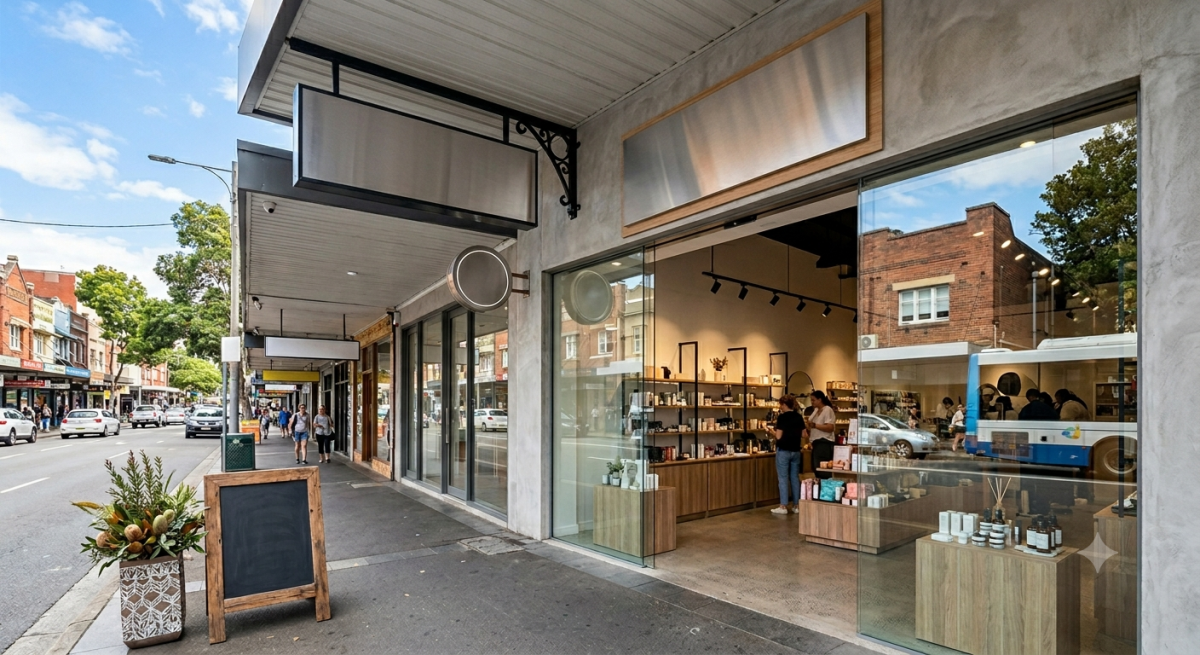
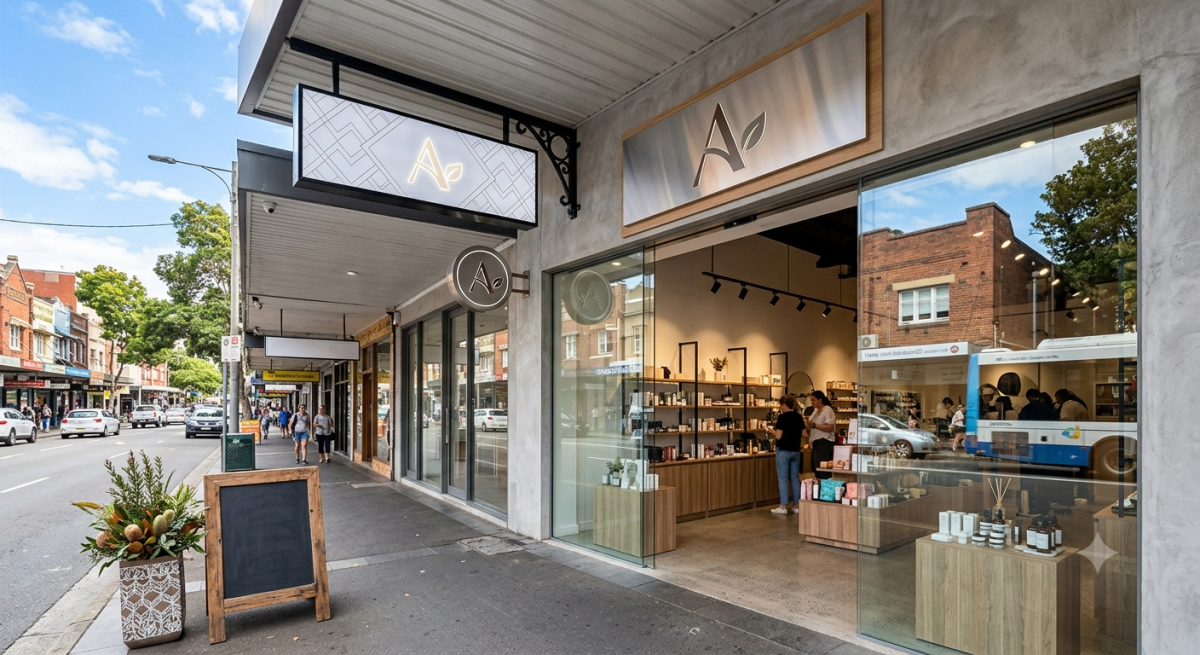
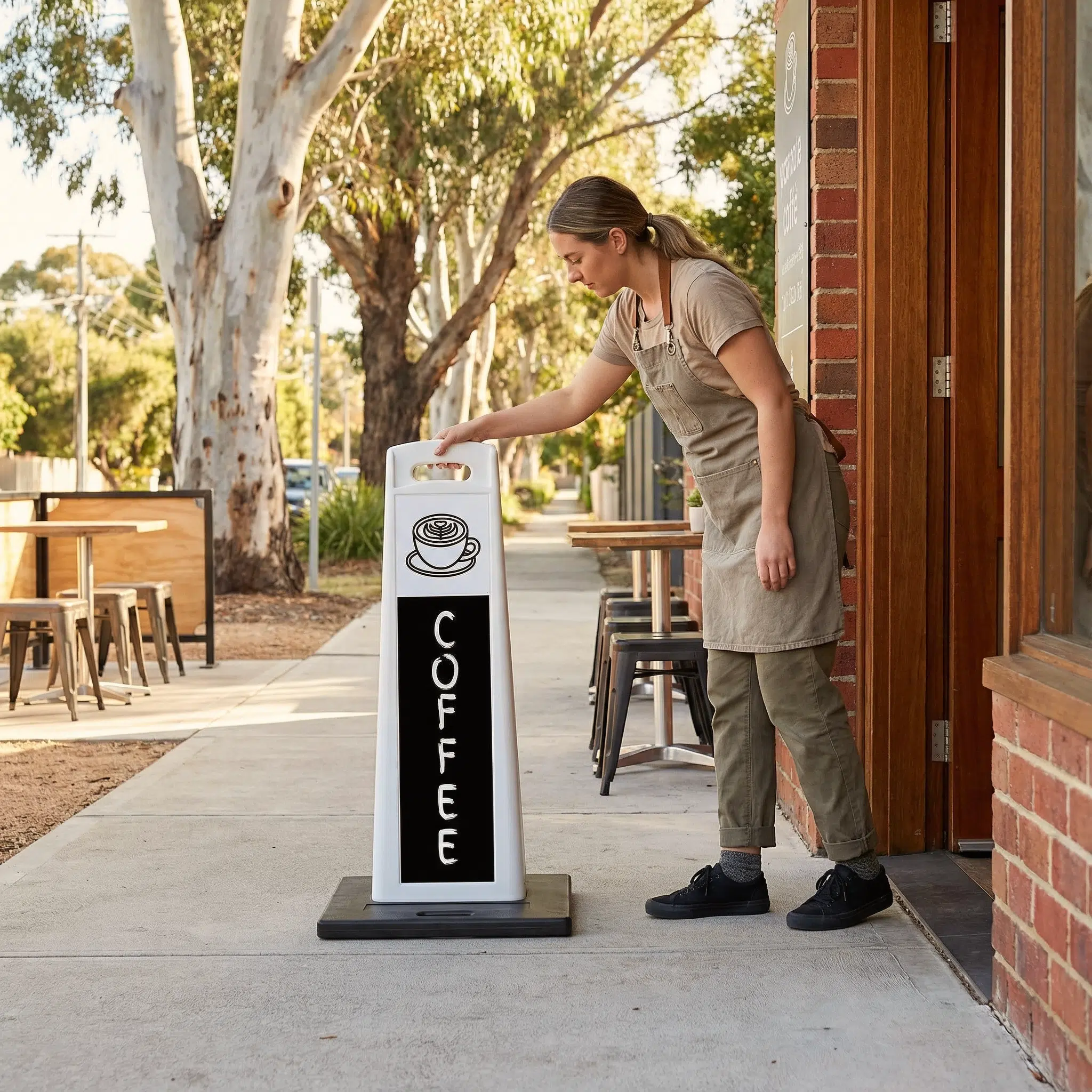
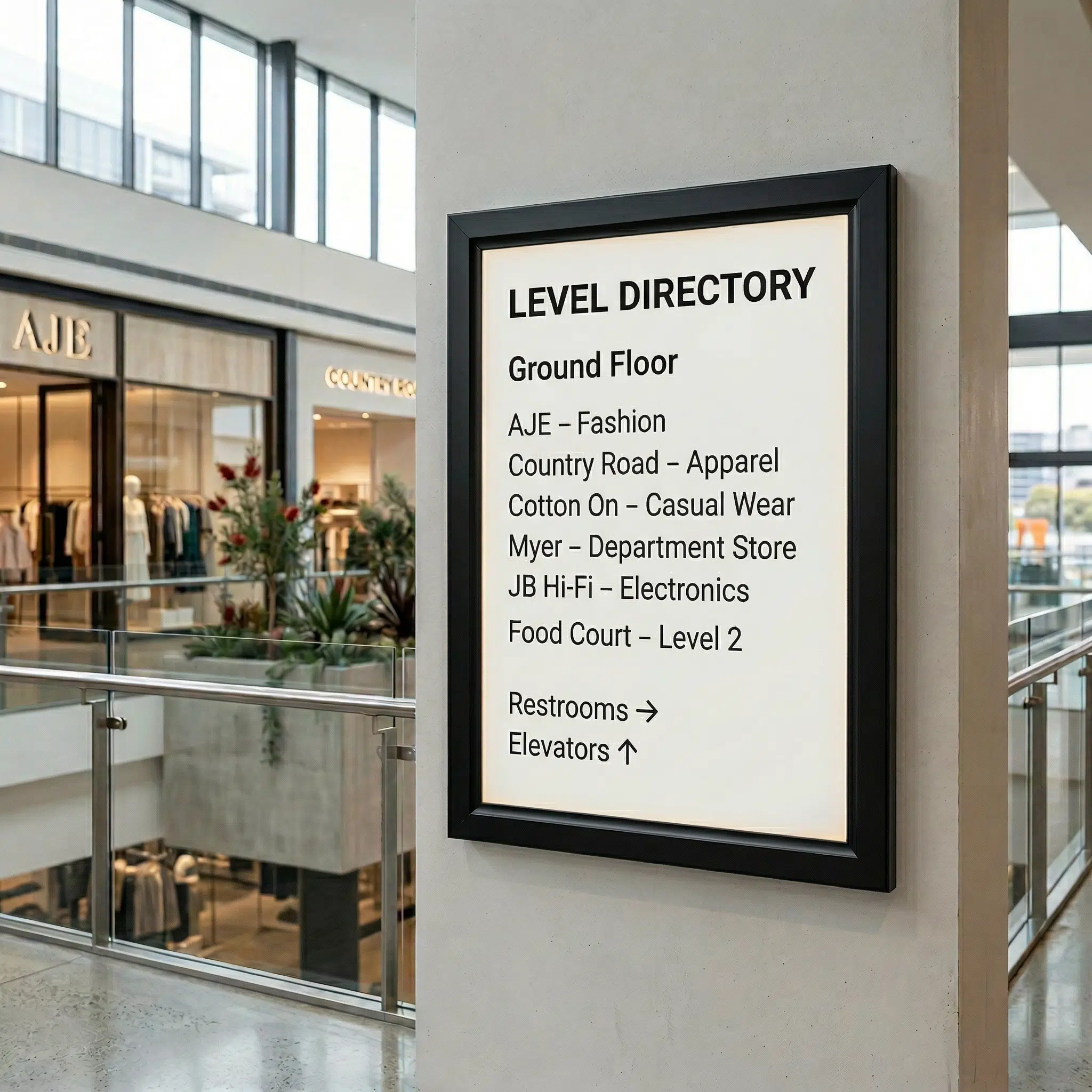
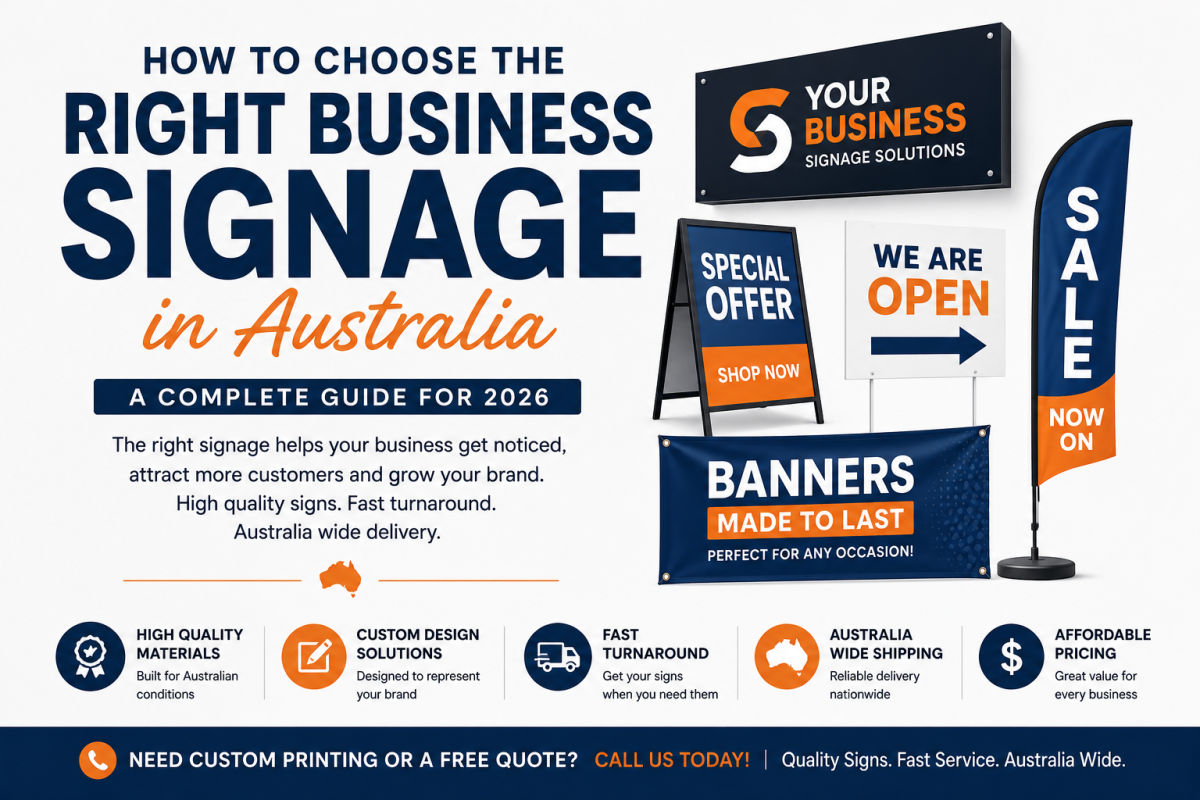
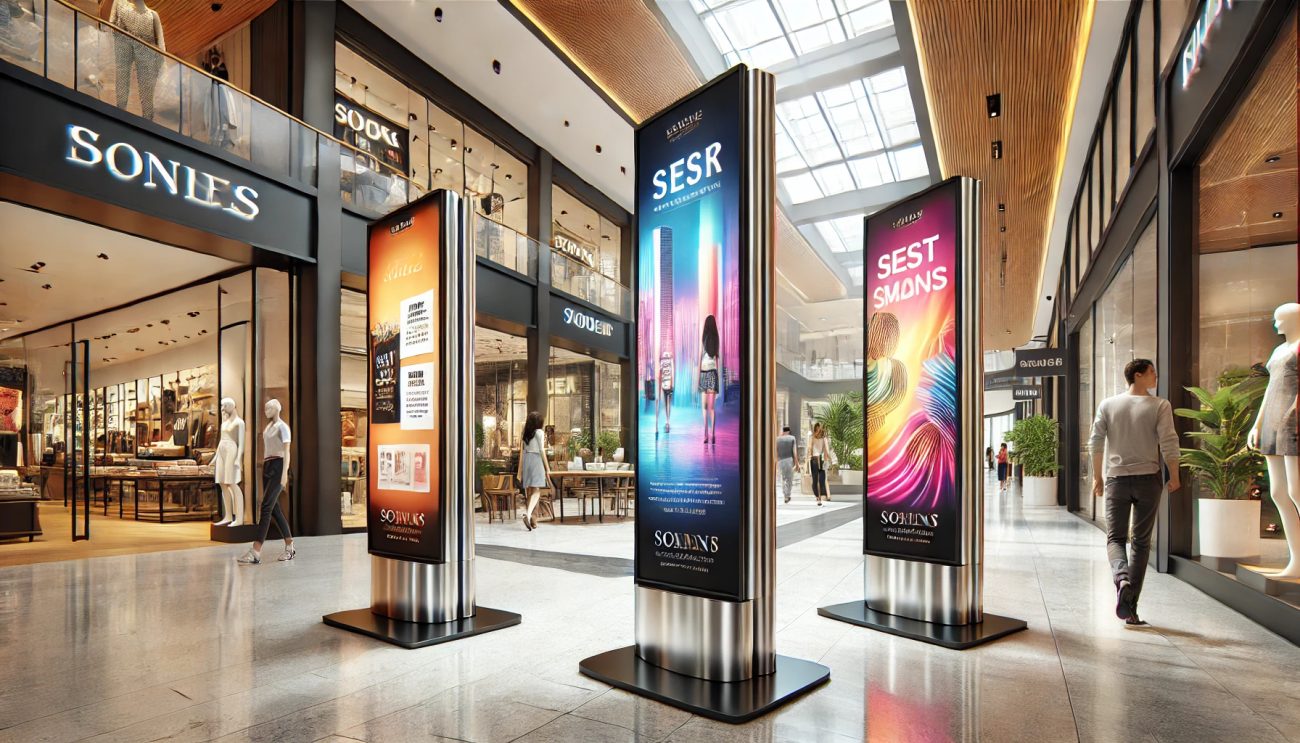
Your shopfront sign is your business’s first impression. Choosing the right material and format is crucial to surviving Australia’s harsh UV climate while standing out on the high street. The top signage types include:
As an alternative theory, (and because Latin scholars do this sort of thing) someone tracked down a 1914 Latin edition of De Finibus which challenges McClintock’s 15th century claims and suggests.
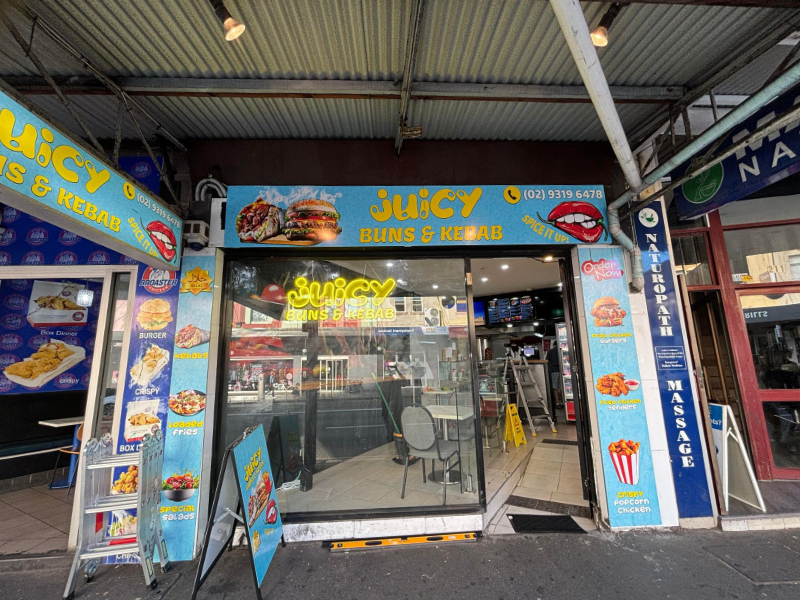
Shopfront Fascia Signs: Mounted directly onto the building facade, these serve as the primary identifier for your brand. They are typically made from durable Aluminium Composite Panels (ACM).
Illuminated LED Lightboxes: Perfect for 24/7 visibility. These internally lit signs ensure your brand remains highly visible through the night.
3D Lettering & Dimensional Signs: Fabricated from premium acrylic, stainless steel, or aluminum, 3D letters add a luxurious, high-end texture to your storefront.
Window Graphics and Decals: Ideal for leveraging large glass panels to display seasonal promotions, brand values, or trading hours without blocking natural light.
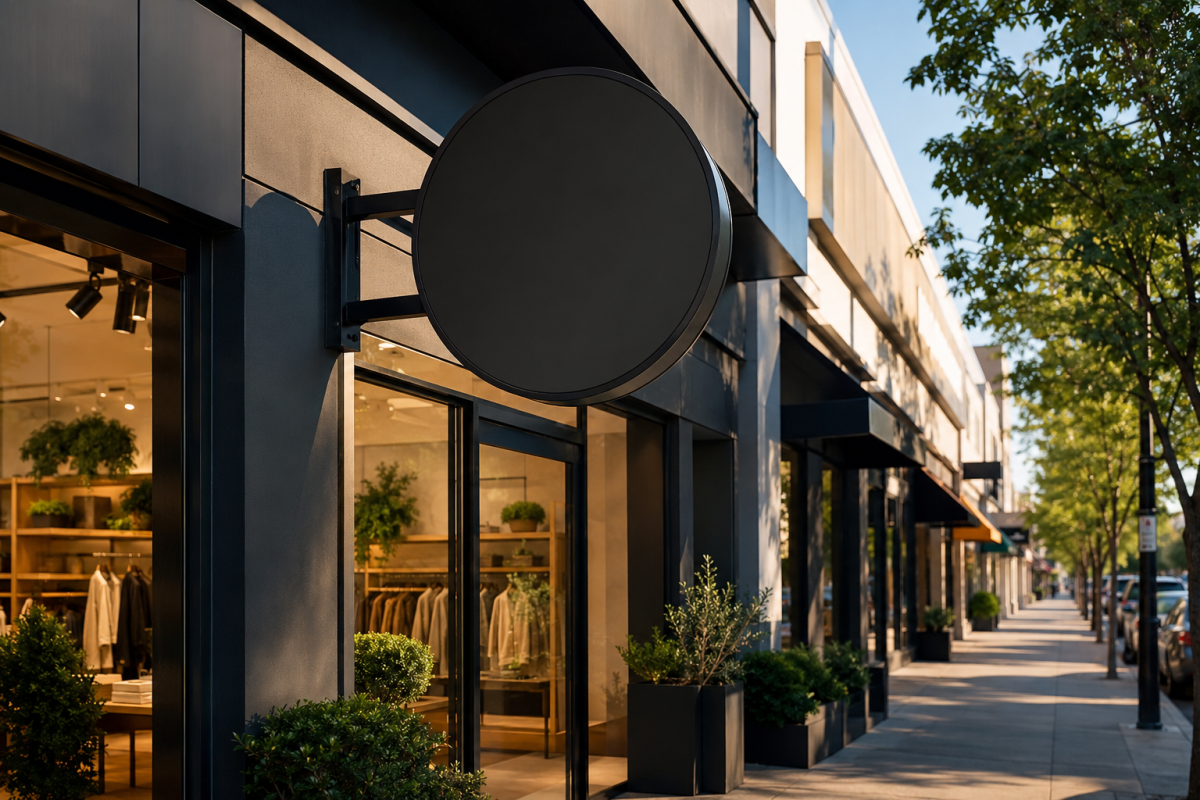
Under-Awning / Protruding Signs: Perpendicular signs that capture the attention of pedestrians walking directly underneath street awnings.
Fitout costs vary heavily based on the industry sector (e.g., high-end luxury fashion vs. a casual café), the condition of the base building, and material selections. Below is an approximate benchmark cost breakdown for the Australian market:
| Fitout / Signage Category | Estimated Cost Range (AUD) | Ideal Business Application |
| Basic Retail Fitout (per sqm) | $800 – $1,500 | Gift shops, small apparel boutiques |
| Premium/High-End Fitout (per sqm) | $2,000 – $4,500+ | Luxury skincare, premium jewelry, high-end dining |
| A-Frame / Portable Street Signs | $100 – $600 | Cafés, local salons, daily promotions |
| Non-Illuminated Fascia Sign | $800 – $3,500 | Daytime retail, suburban business parks |
| 3D Fabricated / LED Lightbox Sign | $1,500 – $8,000+ | High-street fashion, restaurants, 24/7 businesses |
Yes, in many cases, you do. Commercial signage and structural alterations are strictly regulated by local government councils (such as the City of Sydney or City of Melbourne) to maintain urban aesthetics and safety standards.
Development Application (DA): Usually required if you are altering the structural facade, changing the building use, or installing large, illuminated, or flashing signs.
Exempt Development: Minor, non-structural internal changes and direct “like-for-like” signage replacements often qualify as exempt development, meaning they can proceed without formal council approval, provided they meet specific criteria.
Landlord Approval: Before approaching the council, you must secure formal, written approval from your commercial landlord or body corporate.
Modern brick-and-mortar stores must offer experiences that cannot be replicated online. The leading commercial design trends focus on:
Omnichannel Support Infrastructures: Integrating dedicated Click-and-Collect counters, digital kiosks, and QR-code enabled displays into the physical layout.
Sustainable and Bio-centric Materials: Using low-VOC paints, recycled timbers, and energy-efficient LED lighting fixtures. This reduces carbon footprints and strongly appeals to eco-conscious Gen Z consumers.
Dynamic and Intelligent Lighting: Moving away from uniform fluorescent lights toward layered, mood-focused LED track lighting that highlights premium product zones and increases customer dwell time.
Executing a retail shopfit and selecting external signage is a significant financial investment. To ensure a maximum return on investment (ROI), it is essential to collaborate with licensed, insured commercial shopfitters and specialized sign manufacturers who understand Australian Standards (AS) and local building codes.
By prioritizing smart spatial layouts and high-impact, weather-resistant signage, your physical retail store will transform from a simple overhead cost into a high-converting lead generation asset.



One thought on “The Ultimate Retail Shopfitting & Signage Guide for Australian Businesses (Q&A)”
Best1
Comments are closed.